Introduction
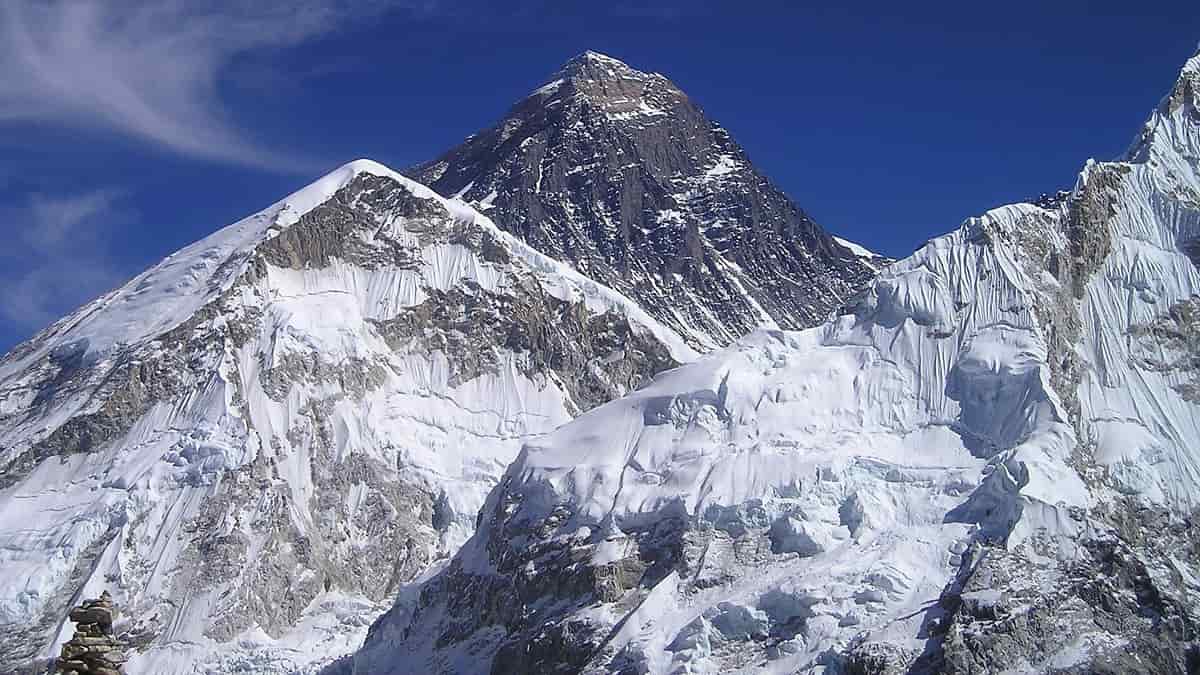
Mountains are not only tall peaks, but also gifts of nature, sources of water, shelters for biodiversity, and tourist attractions. In the world, there are only 14 mountains that rise above 8000 meters (26,247 feet)
Sea level. These mountains are known as “eight-thousanders” in the world of mountaineering. These huge peaks have an extremely harsh climate called the “Death Zone,” where oxygen levels are very low, and it becomes difficult for humans to survive long-term without additional support.
These 14 mountains are spread across the Himalayan and Karakoram mountain ranges of Asia. Among these, exactly 8 mountains are located in Nepal’s territory. Because of this unique geographical feature, Nepal is known as the “country of mountains” and one of the best places for high-altitude mountaineering and adventure tourism.
Complete list of the world’s 14 eight- thousanders
Before discussing Nepal’s eight highest peaks, a complete list of the world’s 14 mountains above 8000 meters is given below :
| Rank | Mountains | Height | Location |
|---|---|---|---|
| 1 | Mount Everest | 8,848.86 m | Nepal/China |
| 2 | K2 | 8,611 m | Pakistan/China |
| 3 | Kangchenjunga | 8,586 m | Nepal/India |
| 4 | Lhotse | 8,516 m | Nepal/china |
| 5 | Makalu | 8,485 m | Nepal/china |
| 6 | Cho Oyu | 8,188 m | Nepal/ China |
| 7 | Dhaulagiri | 8,167 m | Nepal |
| 8 | Manaslu | 8,163 m | Nepal |
| 9 | Nanga parbat | 8,126 m | Pakistan |
| 10 | Annapurna | 8,091m | Nepal |
| 11 | Gasherbrum I | 8,080 m | Pakistan/China |
| 12 | Broad Peak | 8,051 m | Pakistan/China |
| 13 | Gasherbrum II | 8,035 m | Pakistan/China |
| 14 | Shishapangma | 8,027 m | China |
Detailed Explanation of Nepal’s Eight Highest Peaks
The eight thousand located in Nepal are not just lines on a map; they are the backbone of Himalayan culture, religious beliefs and adventure tourism.
1.Mount Everest – 8848.86 metres
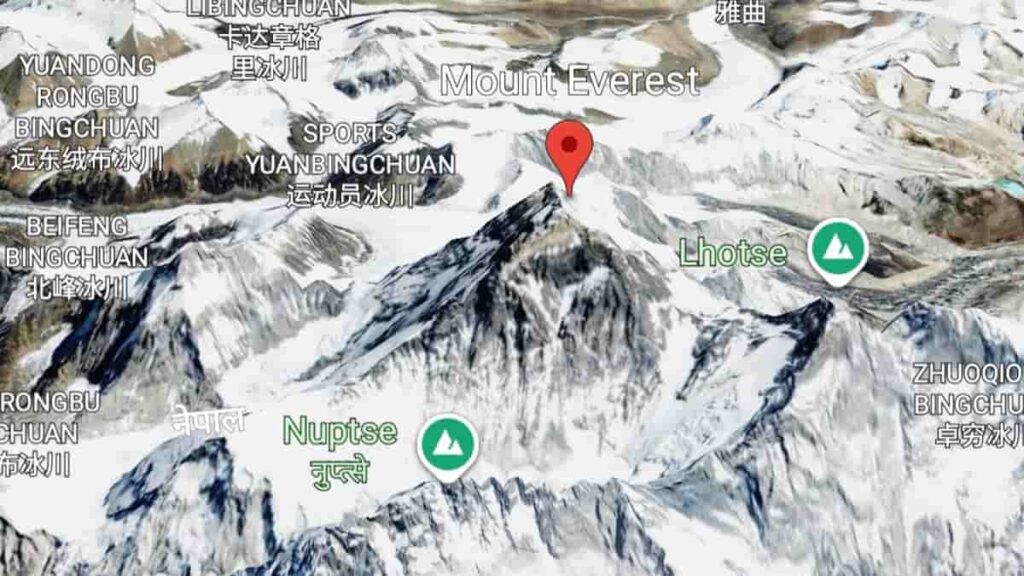
In Nepal, Mount Everest is known as “Sagarmatha”(Goodness of the sky) and “Chomolungma” in Tibet. This mountain is the highest point on Earth. It gained international fame after Sir Edmund Hillary and Tenzing Norgay Sherpa successfully climbed it for the first time on May 29, 1953.
It’s located in the Khumbu region of Nepal; hundreds of climbers visit Everest every spring season. Because of the extreme altitude, unfavorable weather and dangerous snowfalls, it is a challenging task to climb Mount Everest.
2. Kangchenjunga – 8586 meters
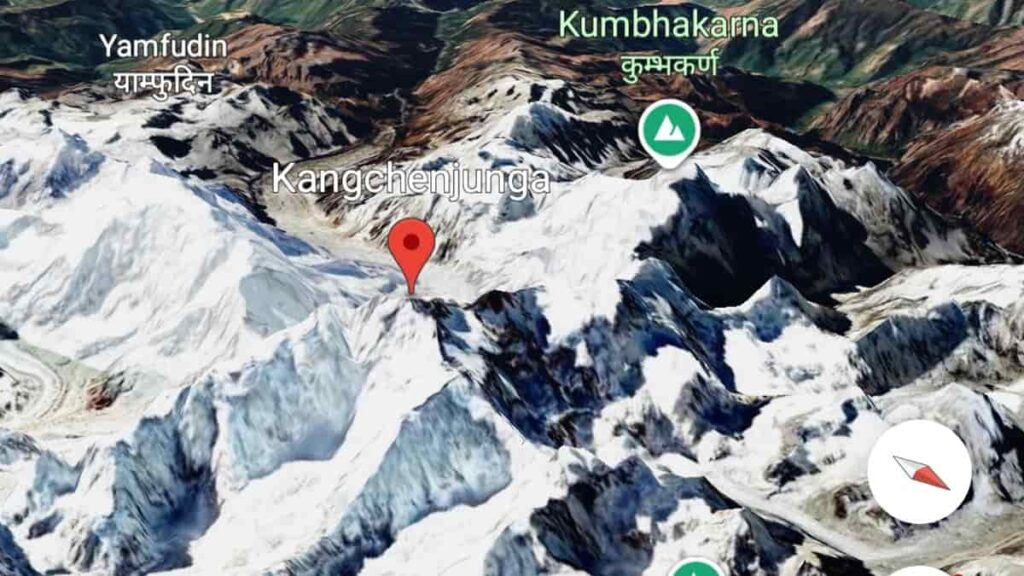
Kangchenjunga is located on the border of Nepal and India’s Sikkim; it is the third-highest mountain in the world. It consists of five main peaks, so it is called the “five treasures of snow”.
It is known for long approach routes and a high risk of snow slides. Respecting local religious beliefs, the climbing team established the tradition of stopping a few feet below the main summit.
3. Lhotse – 8516 meters
It is directly connected to Mount Everest through the South Col, and it is the fourth-highest mountain in the world. It was first climbed by a Swiss Expedition in 1956. One of the most special features is the Lhotse Face, a steel-blue ice wall about 1,125 meters high that climbers must cross to reach the upper camps.
4. Makalu – 8485 meters
Makalu is situated approximately 19 km to the southeast of Mount Everest; it has a beautiful pyramid shape and is regarded as one of the most difficult mountains to climb. To climb it, one has to go through tough rocky and icy sections close to the summit, together with strong winds coming from the Tibetan Plateau which make the climb difficult.
5. Cho Oyu – 8,188 meters
“Cho Oyu” is a name of Tibetan origin meaning “Turquoise Goddess” and is the sixth highest mountain on Earth. When compared to a great many of the other 8,000-meter peaks, it is regarded as relatively easier to climb; because of this, a great many climbers select Cho Oyu as their first high-altitude expedition.
6. Dhaulagiri – 8167 metres
The name Dhaulagiri comes from Sanskrit and means ‘white mountain’; it is located above the Kali Gandaki Valley and has a very impressive appearance. It was previously thought by early geographers to be the tallest mountain in the world.
7. Manaslu – 8163 metres
The name of Manaslu comes from the Sanskrit word manas, meaning “mind” or “ soul”. It is the eighth-highest mountain in the world. A Japanese team first climbed it in 1956, so the mountain has a special connection with Japan. The Manaslu Circuit trek around the mountain is also very famous for trekkers.
8. Annapurna -8091 metres
French climbers maurice Herzog and Louis Lachenal reached it on 3 june 1950. It was the first mountain ever climbed by humans. Even though it made history, it is considered as one of the most dangerous mountain because a valances occurs there very often.
The contribution of the Himalayas to Nepal’s tourism, economy and culture
The Himalayas are of great importance to Nepal’s economy and its standing in the international arena. Each year thousands of visitors go to Nepal in order to engage in mountaineering, trekking and sightseeing. The tourism industry brings in a significant amount of foreign exchange and at the same time provides jobs for Sherpas, hotel owners, transport operators and local businesses. In addition to their economic value, the mountains and the monasteries also have great religious, cultural and spiritual significance for the people of the Himalayan regions.
Conclusion:
Nepal is home to eight of the world’s fourteen 8,000-meter peaks and can therefore be considered one of the world’s great mountain countries. These stunning mountains are appreciated not only for their spectacular beauty but also for the role they play in tourism, scientific research, culture, heritage and sustainable tourism.
Disclaimer
The information in this article is provided for general educational and informational purposes only. We have made reasonable efforts to ensure accuracy, but some details may change or contain errors. Readers are encouraged to verify important information through reliable or official sources.